Subsection 15.1.1 What BLE Is For
The name Bluetooth covers two different protocols. They use the same radio band, but they are designed for two different jobs. The Bluetooth you know from headphones and speakers is now called Bluetooth Classic. It was designed for continuous data streaming: audio, higher data rates, connections that stay up for hours. Keeping a radio on that much costs power, which is fine for a speaker with a wall plug or a phone with a large battery. Bluetooth Classic is built to stay connected and stream a lot.
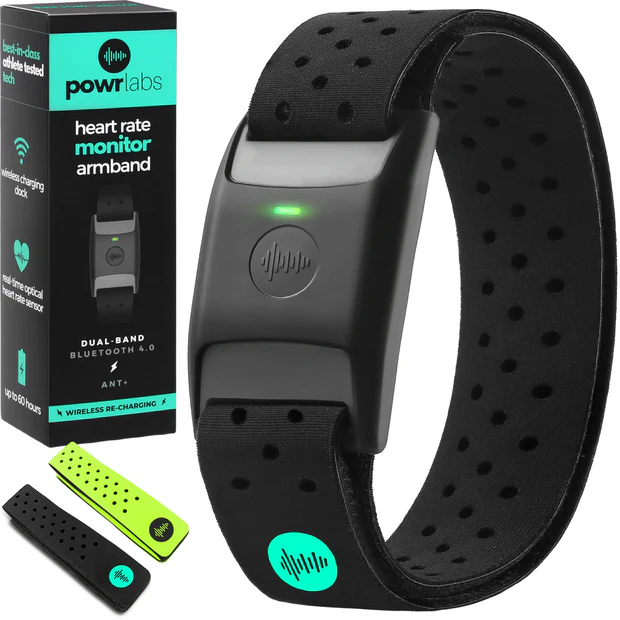
Bluetooth Low Energy (BLE) was designed for a different job: tiny bursts of data, sent occasionally, from devices that run on small batteries. A fitness tracker sends a heart-rate number in short updates; a sensor node sends a temperature reading once a minute. Between bursts the radio is off and the device draws very little current, which is how a coin cell can power such a device and last months. A BLE device wakes up, sends a small amount of data, and goes back to sleep.

Our final project fits BLE’s pattern exactly. The system you build will send short status messages to your phone and receive short commands from it, a few bytes at a time.

